

IN SPOTLIGHT
What is Futures Intelligence? A Complete Guide
Futures Intelligence is an integrative capability that brings different forms of future-related insights in one connected sense-making flow to turn them into shared, decision-ready understanding. It brings together different types of future-focused knowledge. Used in isolation, each has blind spots. Used together, they build a comprehensive picture of the possible futures ahead.

BLOG BY FUTURES PLATFORM
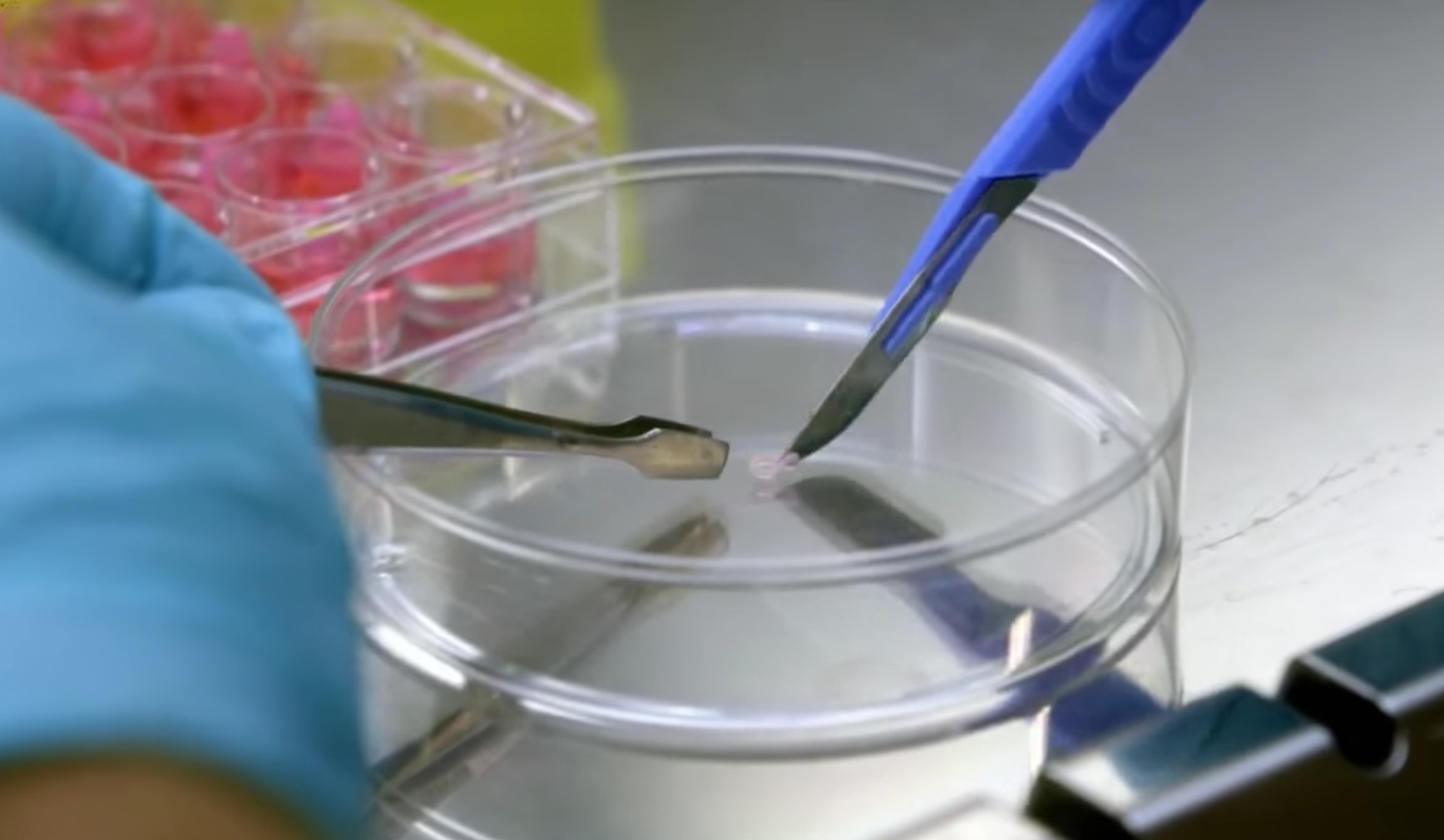
Are We Ready for Artificial Meat?
In 2013, Dr. Mark Post and his team at Maastricht University created the first “cultured” burger in the world. Made from muscle-specific stem cells from real cows and later cultured into fibers of muscle tissue thrown together to form a patty, the burger was fully grown in a laboratory. Its cost? US$ 331,000, making it the most expensive burger in the world. Billionaire and Google co-founder Sergey Brin paid the bill.

Will Humans Merge with Machines?
Elon Musk, Tesla Motors and Space X visionary, said that humans must become cyborgs if they are to continue to add value to the economy and stay relevant in a world of increasingly powerful AI. However, many people still flinch at the idea of a world of cybernetic organisms, where humans enhance their abilities by integrating artificial material or technology into their bodies.

Why Should We Do Foresight?
To future-proof decision-making, organisations need a combination of systematic foresight, proactive visioning, plus hands-on making of the future we want. As famous sci-fi writer Arthur C. Clark put it “Unless we invent a better future, we won´t have one of any kind.”

Another Breakthrough for AI
AI won the most complex strategy game known to humankind. After defeating the brilliant Lee Sedol with a 4-1 win last year, DeepMind’s AlphaGo, which is part of Alphabet (Google), continued to make improvements to its AI, culminating in a 3-0 win over the game's number 1 player and 19-year-old prodigy, Ke Jie. The question is: what is AlphaGo next move?
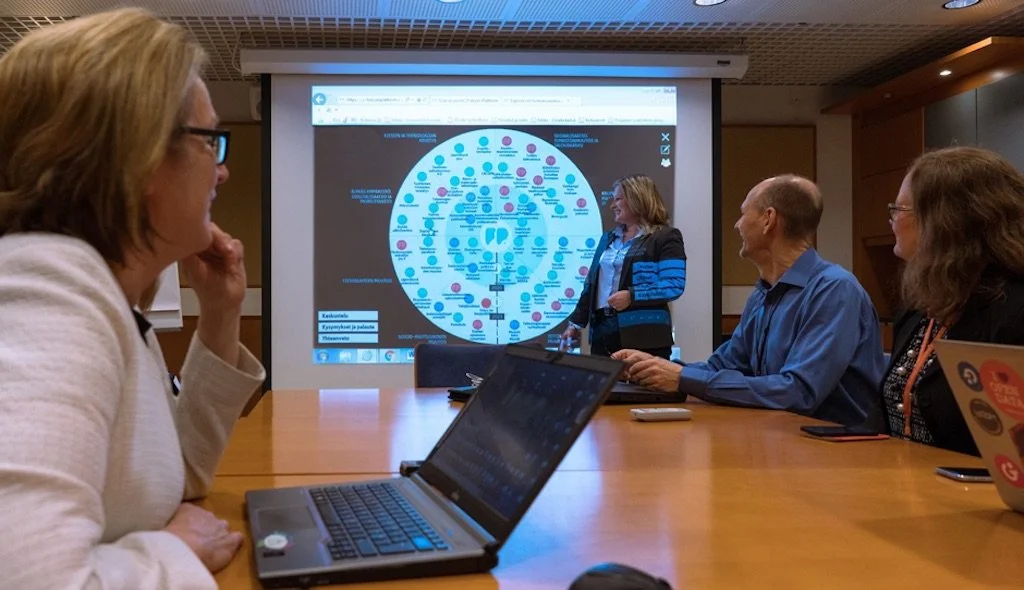
In the Midst of Dramatic Changes
In a world full of change, an in depth approach to foresight is needed, encouraging organisations to transition from technical fixes to adaptive responses, or even transformative journeys where they change as they create new futures.

Pirates at The Sea of Data
Despite the fact that Ransomware has been around for some time, software giants like Microsoft keep releasing updates and software that include vulnerabilities. Customers are helpless because they cannot see the software code to see if the products they buy are faulty. Should not companies that let the thieves in, be held responsible?

All Cars Electric
There is surprisingly little information and debate on how to electrify our roads. If all cars become electric, how much electricity will be needed, how is it produced and distributed?

To Bee Or Not To Bee
Mass death of bees has led to loss of productivity in farmed crops as they do not pollinate the way they used to. To bee or not to bee is ecologically a larger question than this. Recent studies show that a chemical cocktail from farming including pesticides and insecticides has spread to wild flora as well. It is possible that future farming will have to become organic to continue.
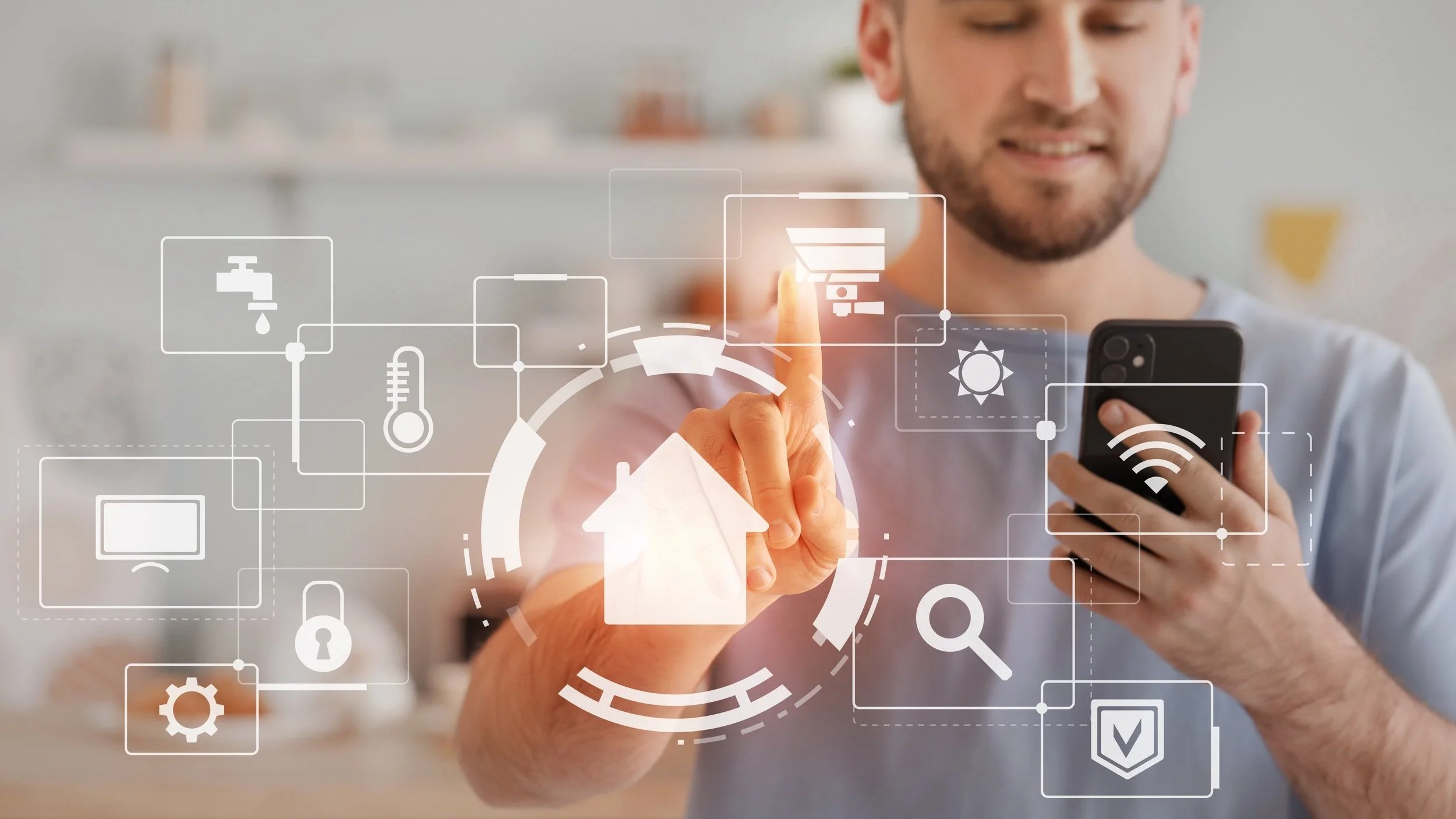
Internet of Hacked Things
In 2016 a massive cyber attack was carried out by code that was stored in compromised Internet connected devices such as security cameras. As The Internet of Things expands to our homes, the likelihood of our devices being hacked is a real concern. Every connected home will need a sturdy firewall, but how many will think about it when buying a WiFi coffee machine?

Glaciers Melting Rapidly
A large ice berg twice the size of Wales is expected to break off from the Antarctica. Ice Bergs calve off from glaciers occasionally. The concern is whether this one to break off from Larsen C Ice Shelf will mean that the glacier will start to retreat. Rising sea levels may be a reality sooner than predicted due to record warm years. Rapidly melting Greenland ice suggests a point of no return.

Biodegradable Electronics
Stanford University researchers have developed a semiconductor that is flexible and biodegradable. Made of cellulose and non toxic materials, this invention could be a solution to electronic waste.

Code Shapes Our Speech
Icelandic linguists are concerned of the future of their language, as the software behind Internet of Things and smartphone apps are likely not to speak Icelandic. If households speak English to their fridges and mobiles, will smaller language groups survive in the long run?